★★★★★
3 months ago
“Michael levandoski,this is best tech we can have in years.”
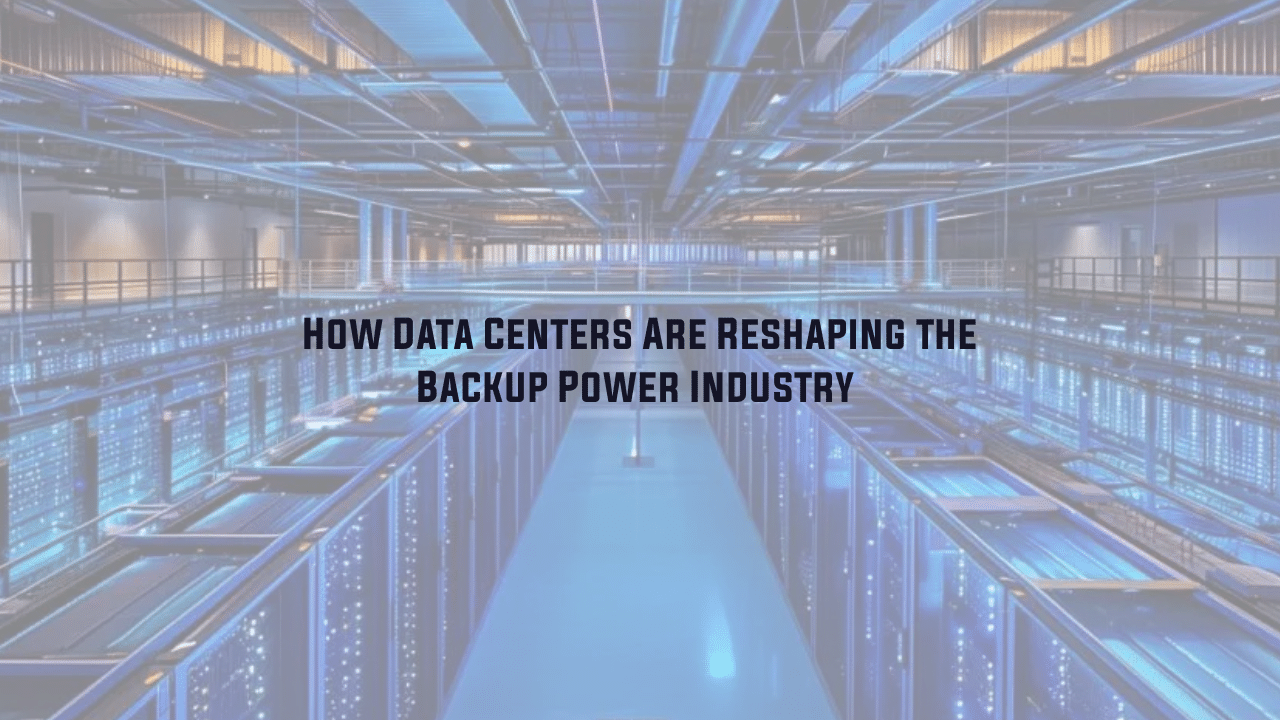
The backup power industry is no longer driven solely by hospitals, municipalities, and commercial buildings. Today, one sector is redefining expectations, engineering standards, and fuel logistics across the entire market: data centers.
From cloud computing and AI infrastructure to financial transactions and streaming platforms, data centers now sit at the core of the global economy. And as their importance grows, so does the demand for absolute, uncompromising power reliability.
The result? A complete transformation of how backup power systems are designed, maintained, fueled, and monitored.
The Era of “Zero Tolerance” Downtime
For most commercial facilities, a power outage is disruptive.
For a data center, it is catastrophic.
Downtime in a hyperscale data center can cost hundreds of thousands — even millions — of dollars per hour. More importantly, it damages trust. Financial systems, healthcare data, enterprise platforms, and AI infrastructure all rely on continuous uptime.
Because of this, the standard for backup power has shifted from “reliable” to “redundant and resilient.”
This shift is influencing the entire generator industry.
Larger Systems. More Redundancy. Higher Standards.
Data centers rarely rely on a single generator. Instead, they operate under N+1 or even 2N redundancy models — meaning backup systems are layered so that even if one fails, another immediately takes over.
This has led to:
– Multi-megawatt generator installations
– Paralleling switchgear systems
– Advanced automatic transfer switch configurations
– Real-time monitoring and remote diagnostics
As these engineering standards become more common in data center builds, other industries are beginning to adopt similar practices — especially healthcare networks, financial institutions, and large-scale commercial properties.
In other words, data centers are raising the bar for everyone.
Fuel Is No Longer an Afterthought
With higher generator capacities and longer runtime requirements, fuel management has become mission-critical.
A single contaminated fuel tank can compromise an entire redundancy strategy. Water intrusion, microbial growth, and fuel degradation are no longer minor maintenance issues — they are operational threats.
Data center operators now demand:
– Strict fuel quality testing
– Scheduled fuel polishing programs
– Emergency fuel delivery contracts
– Redundant fuel supply strategies
This heightened focus on fuel integrity is reshaping the diesel services market. Preventative fuel maintenance is shifting from optional to essential.
What This Means for the Backup Power Industry
The influence of data centers extends far beyond their own walls.
They are:
– Driving innovation in generator engineering
– Elevating maintenance standards
– Transforming fuel management practices
– Increasing demand for rapid emergency fuel logistics
– Reinforcing the importance of proactive service models
For backup power providers, this shift requires more than equipment — it demands expertise, precision, and proactive service.
The companies that adapt to these new expectations will lead the next phase of the industry.
The Future of Power Is Resilience
Data centers have redefined what “reliable” truly means.
Backup power is no longer a contingency plan. It is infrastructure.
As AI expands, cloud computing grows, and digital reliance deepens, the demand for uninterrupted power will only intensify.
The backup power industry is not just supporting growth — it is enabling the modern economy.
And the standards set by data centers today will define the expectations for every critical facility tomorrow.